
Nine Ways People Were Made to Believe There was a Pandemic

NINE REASONS PEOPLE THINK THERE IS A PANDEMIC


Predictive Programming, 2012 London Olympics 
Frightening images coming out of China with crisis actors splashed over the media in 2019.
Computer generated images of scary looking "viruses" that look like photographs but aren’t.
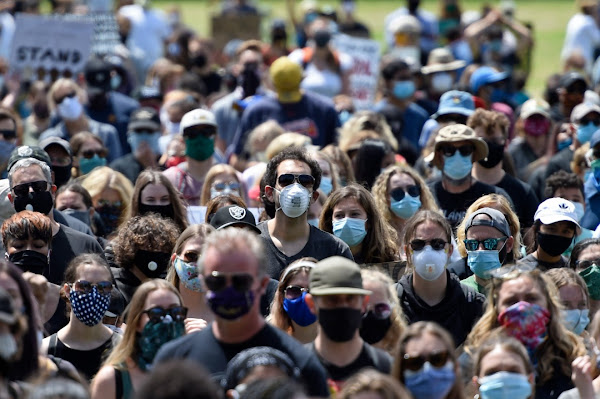
The sight of people wearing masks all around you helps bolster the illusion something invisible is in the air.
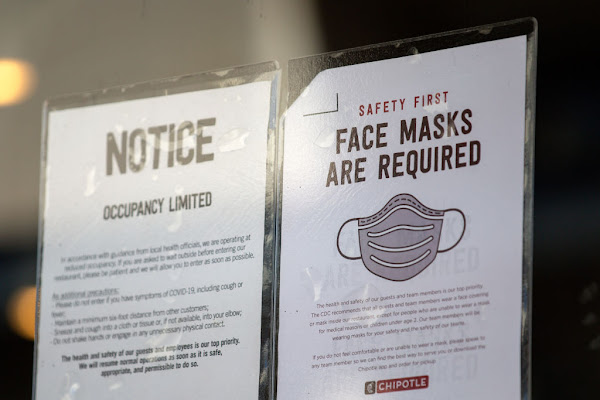
Seeing mask mandate signs plastered on windows everywhere reinforces the illusion.
And social distancing markers on floors wherever you go.


Hand sanitizer everywhere.


A procedure you keep hearing (falsely) is a "test."


Hearing the “covid” mantra all day in the media.


https://www.abebooks.com/servlet/BookDetailsPL?bi=30777234920&searchurl=ds%3D20%26kn%3Dthe%2Bcontagion%2Bmyth%2Bthomas%2Bcowan%26sortby%3D17&cm_sp=snippet-_-srp1-_-title3 

Comments

Popular posts from this blog

Some Quotes to Pay Attention To

BOOK OF UNDERSTANDING FOR PEOPLE OF ALL RELIGIONS In 1932 Baba said: "I have explained it all in detail in my book. Even scientists will be astonished to learn the secrets I have explained there. For these will not be vague talks but facts that are substantiated and supported by scientific arguments . It will be the future Bible, not in the literal sense, but a book of understanding for people of all religions ." – Meher Baba LM 1607

Myths about the Council of Nicaea

There is a myth that certain nefarious things occurred at the Council of Nicea in 325 AD. One of these is that the four gospels of the New Testament were chosen and other gospels rejected at this council. The original source of this myth is a fictitious pseudo-historical account of early Church councils known as the Synodicon Vetus written in 887 AD. The French philosopher Voltaire popularized this false account in the 18th century, and Christian radical Robert Taylor revived it in the 19th. Though fully debunked, this trope goes on being popular today.  The canon was decided by popular use over time. The first time the subject of the canon was brought up at an ecumenical council was at the Council of Trent in the 16th century.

Ordinary People

In philosophy, phenomenal means anything you can experience, both mentally or physically. Ordinary people are interested almost exclusively in the phenomenal – things you experience in your thoughts or with your senses. They think about these things. They desire or fear these things. And when they become self-declared “seekers,” they seek something that they assume is also phenomenal. And when they see or read about something out of the ordinary, they get excited because they think they're on to something important. A “spiritual” phenomenon. And because of this equating abnormal with spiritual, they are very likely to perform practices or take drugs to have ‘out of the ordinary’ phenomenal experiences. Again, they think this is a sign they are ‘getting somewhere.’ There are countless anomalous phenomena. This web page talks about 'light orbs,' that may be genuine things that clairvoyants can see. I personally don't know.  https://www.quora.com/What-can-small-orbs-of-lig...